

Max Leisten left a SaaS career to build Protopia, a platform that routes student questions to alumni who might answer them. He built it alongside Duke rather than selling to Duke, and the design decision I keep thinking about has nothing to do with the AI.
Nobody who uses it can feel rejected. Nobody can feel guilty.
A student asks a question about breaking into consulting. The system finds a few alumni who might have something useful to say. If one of them is buried this week and lets it pass, the ask quietly moves to someone else. The student never sees the pass. The alum never sees the disappointment. The no leaves almost no residue.
Compare that to how most volunteer asks work. A mass email goes to 4,000 alumni looking for mentors. A few hundred open it. Forty respond. The other 3,960 did something we never account for: they said no, silently, and some of them felt it. Do that a few times a year for a decade and the silence starts to read like apathy. What it actually is: the residue of asks that made saying no expensive.
The deeper principle here isn’t guilt. It’s friction. Max’s design reduces the emotional transaction cost of participating. Institutions already spend enormous effort making yes easier: shorter forms, one-click RSVPs, prefilled gift amounts. Almost nobody spends effort making no inexpensive.
Designing away the sting also changes who gets asked. A cheap no means the system can safely route questions to alumni who have never been tapped, instead of leaning on the same proven volunteers every cycle. More people get a moment where the institution needed them specifically. More people get to imagine themselves as someone this place still calls on.
We measure opens, clicks, conversions, volunteers, mentors, gifts. We almost never measure what it costs someone to decline.
Maybe we should.
Max’s full conversation is on the Keynote feed July 27. The part about why helping someone can feel even better than being helped is worth the listen on its own.
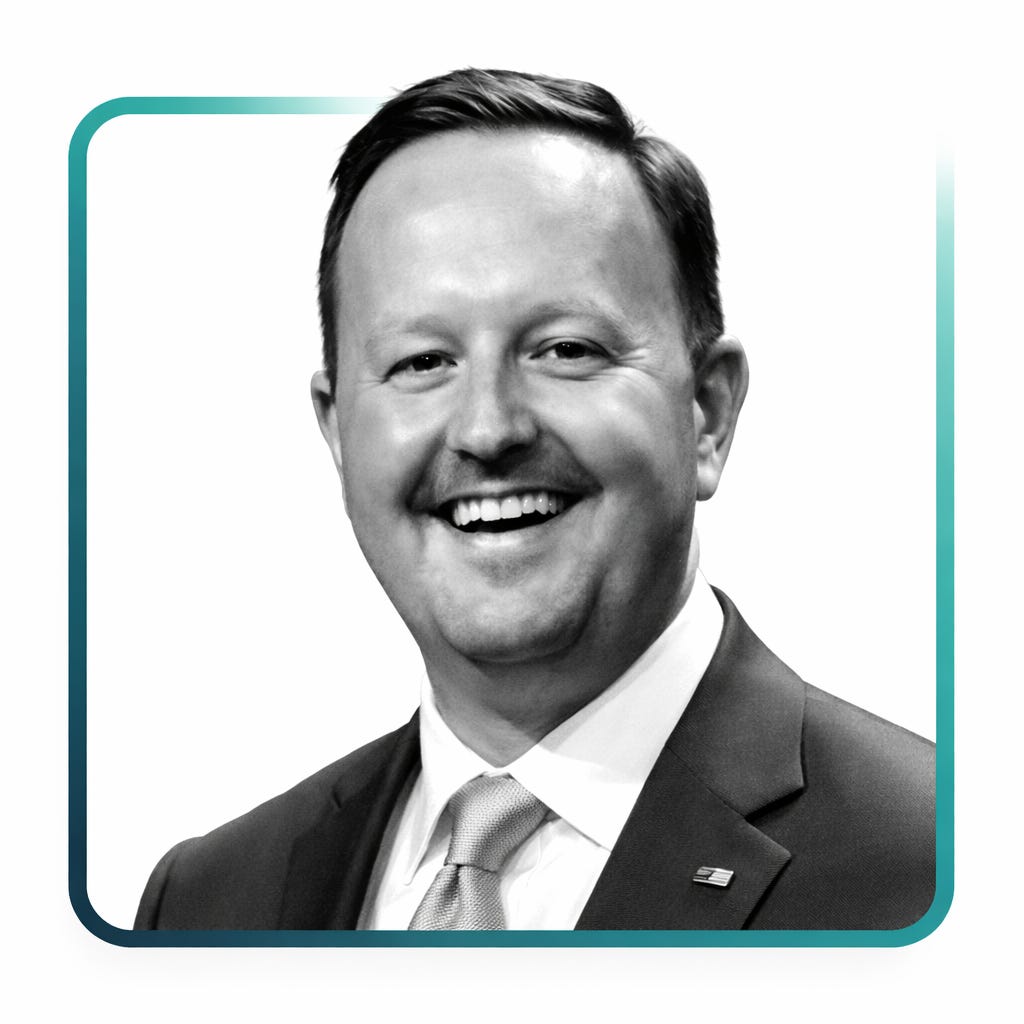
Dave Hail is a fundraising strategist and storyteller who works with nonprofits and institutions to design stronger donor relationships and more effective engagement strategies. His work focuses on helping teams move beyond transactional communication toward systems that support long-term connection and growth.
His perspective sits at the intersection of strategy, systems, and storytelling, with a focus on helping organizations act with greater clarity and intention.
Dave is a lifelong learner, husband and dad, and lives in Oklahoma.
Big Themes This Week
AI belongs in the background as a scaling mechanism, not out front as the selling point.
The smallest act of kindness is often enough. Ask for five minutes, not an hour.
Design so no one feels guilty and no one feels rejected. No just means not right now.
Team Discussion Questions
Where are we asking alumni for more than they can give, when five minutes would do?
Are we using technology to widen the door to connection, or to replace it?
What in our process quietly makes people feel bad for saying no?
Upcoming: Faculty-in-Residence
Aug. 15 - Sept. 25

For six weeks beginning August 17, Speaking Engagement welcomes Mallory Erickson — executive coach, creator and host of the What the Fundraising podcast, and author of the book by the same name — as our inaugural resident.
Our Live (Members-Lead) Symposium with Mallory will be on September 23 from 11:30 am -12:30 pm ET.


