

Alumni boards and councils often play a significant role in ensuring the success of engagement initiatives and advancing institutional goals. However, relationships between alumni boards and university staff can sometimes become strained. There are many potential reasons for this friction to develop, ranging from personality conflicts to organizational change.
My goal for this article is not to discuss all the reasons why alumni boards and universities might not have the healthiest relationship. Instead, I am sharing what I believe can be done about it.
What should the “North Star” for universities and alumni boards be during periods of change or transition?
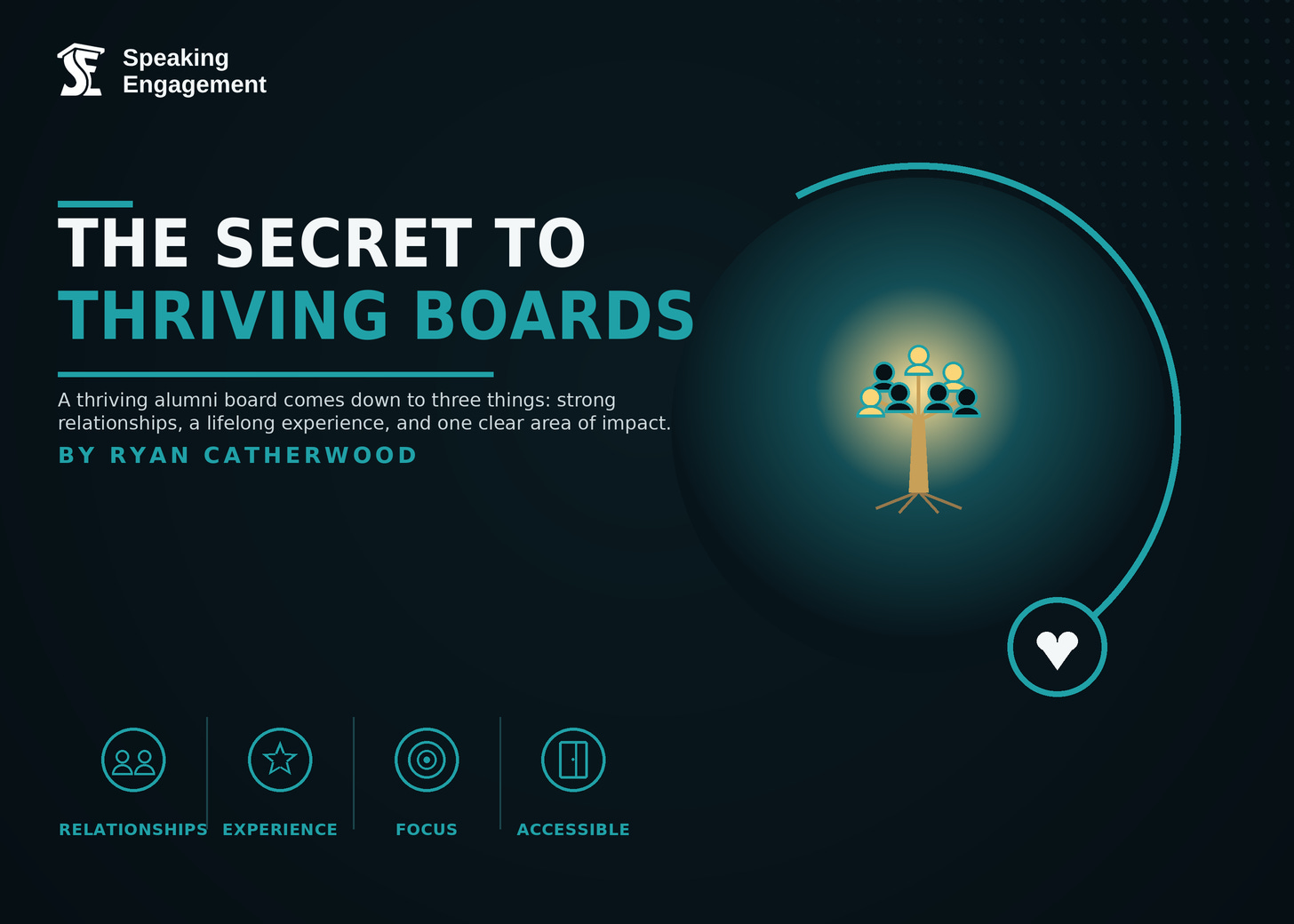
I’ve found that when alumni leaders and volunteers prioritize these three key areas, growth occurs, and a more vibrant dynamic develops.
Invest energy into relationship-building with and between volunteers.
A key benefit of serving on an alumni board is the relationships formed among members and other volunteers. Strong boards thrive on trust, support, and collaboration, essential for activating the university network. When board members feel connected, they’re more likely to engage deeply and seek greater involvement with their alma mater.
To be most effective, alumni boards should prioritize intentional networking beyond meetings to get to know other volunteers and other engaged graduates. Team-building activities such as structured icebreakers, informal gatherings and networking events should be a core part of board meetings. These shared experiences can spark relationships extending beyond a board term and strengthen professional and personal networks.
Alumni boards that prioritize relationship-building with other volunteers will enhance engagement and expand their impact while leveraging and connecting with alumni across industries and affinities. Strong relationships between volunteers lay the foundation for a thriving, engaged alumni network.
Focus on creating a powerful experience throughout and make it last a lifetime.
A well-run board continuously evolves its approach to engaging members throughout their volunteer journey, from recruitment to onboarding, active participation through lifelong emeritus status. Alumni leaders must partner with and empower volunteers to ensure the experience is meaningful and rewarding at every stage.
While serving, it’s crucial to recognize board members’ contributions across the university and keep former board members engaged even after their terms end. It’s about creating a fulfilling volunteer experience that alumni want to continue after they roll off and would confidently recommend the experience to other graduates within their networks.
Make the specific area of impact clear and ensure it’s narrow and measurable.
While volunteers often genuinely desire to help in key areas like admissions, retention, career, and philanthropy, boards are most effective when they focus on one or two core initiatives that align with the university’s priorities for alumni engagement. In particular, boards should prioritize the work of discovering, engaging, and recognizing other volunteers.
Boards should also avoid getting too bogged down in operational discussions about budgets and administrative details, which can sometimes cause unnecessary friction. Alumni board volunteers are most effective when focused on strengthening alumni engagement and establishing meaningful connections through outreach and discovery in support of specific initiatives.
Finally, work to make the volunteer experience more accessible.
A thriving alumni board doesn’t happen by accident; it definitely requires years of intentional investment in relationships, engagement strategies, and impact measurement. This should be fun for everyone involved, too!
For institutions looking to elevate their alumni boards, the question is simple: Are we making this experience as valuable and rewarding as possible? If not, it’s time to rethink the approach and make the necessary changes to create stronger, more engaged, and more effective boards.
As colleague Chris Marshall likes to say, “You get the board you deserve!”
About Speaking Engagement
We had a great Agora this week with Kathryn Bennett from Elon University and Sarah Rhodes from the University of Lynchburg. A replay of the TED-style talk will be in member feeds on Wednesday, 10/21.
I’m excited to announce our next Agora is with my friend Kelly Holdcraft from William & Mary on their signature regional event “W&M Weekend.” During the session titled, “Everybody’s Working for the (William & Mary Weekend,” Kelly will share the ins-and-outs of the big event and what they’ve learned about meeting the needs of their alumni while aligning with engagement priorities.
This Agora is on Thursday, Nov. 5th from 12-1 pm ET, and is open to EVERYONE! Register and tell a friend or colleague.
Our Next Keynote
This week we’re featuring Chad Paris, Principal & CEO at Parisleaf. Parisleaf partners with education organizations and other non-profits on building campaign brands. We discuss whey these brands are important, when they can feel uninspired, and how Chad and his team of creatives and planners work with complex institutions to make sure everyone is singing from the same sheet of music for their campaign.
Check out my conversation with Chad and subscribe to the podcast on Apple Podcasts.