
We aren’t always the best, in higher ed advancement, at recognizing crises until it’s too late. We talk a lot about them, like the enrollment cliff or the public’s declining trust in higher education; we have panels and conference sessions to discuss potential problems, but the actual action often waits until the problem is real – our enrollment numbers are too low, or our alumni giving has nosedived. Proactivity is more like planned reactivity.
I don’t want us to fail to act to prevent a major crisis that is heading our way. Advancement shops are full of smart and creative people – we can get ahead of this one, if we act now.
The crisis? Women in advancement are often held to different standards than men, standards that can feel impossible (especially in leadership roles) and we’re not going to have many women leaders left if we don’t get proactive right now.
Is this crisis new? No. But are we starting to see some scary statistics because of it? Yes. It’s time to act.
Women Are Leaving the Workforce In Record Numbers
This startling statistic caught my eye recently, and is what’s causing me to feel like we need to act now or we’ll miss our opportunity to make our workplaces work better for women. According to the National Women’s Law Center (NWLC) jobs analysis, women accounted for 100% of the net decline in the labor force in July 2026. You read that right: 100%. The study states that women have left the workplace at roughly double the rate of men since January 2026, with 845,000 women leaving the workforce to 406,000 men.
What does this mean for higher education advancement, where in 2025 women made up 69% of the workforce?
According to CEO of Hocking Leadership Shanna Hocking’s 2025 report, the BOLD Blueprint for Women in Advancement, “women chief advancement executives in higher ed and academic medicine report insufficient onboarding, systems not set up for their success, and lack of institutional support” as key factors in why women are exiting the workforce at an alarming rate.
While Mo Cotton Kelly, Chief People Officer and Senior Vice President for Alumni Engagement at the UCONN Foundation, notes that she hasn’t seen more women leaving the UCONN Foundation than men (they have a very high retention rate, actually – more on that in a moment), she’s not surprised about the NWLC report.
“We’re still running a double standard, one that sets women up for failure,” she says. “I’ve seen women who have led their shops thoughtfully, with care, with kindness, with empowerment, be belittled and raked over the coals, even when their numbers are better than their male counterparts.”
The double standard looks like this. Remember that famous quote about 1930s and 1940s movie star Ginger Rogers – that she did everything her dancing partner Fred Astaire did, but backwards and in high heels? It’s that. We expect everyone we hire, regardless of gender, to excel in their roles. But women face often silent challenges that many men do not. There’s an expectation of perfection, and if a woman shows any emotion at all, she might be labeled as weak. Whereas if a male leader cries, he might be praised as evolved. Women are expected to lead like men because that’s the dominant cultural norm in our workplaces, which were created by and for men way back in the day and haven’t changed much. But we aren’t men, and ignoring our own instincts and constantly having to be thinking how to make sure that we’re acting with “executive presence” (often code for: act like a man) is exhausting.
Like Mo says, she’s seen women run Advancement shops with empathy and care to be ridiculed for that, even if it was working.
And don’t forget the caretaker tax. As much as we don’t want to admit it, women and men who are caretakers are perceived differently, or, it’s much more likely that a woman is expected to do all the things while still also holding down a full time job. Schedule swimming lessons and babysitters and doctor’s appointments and conversations with estate planners, and in addition knowing where the scissors and goggles and charging cords are at any given point in the day.
You don’t have to take my word for it. There’s a lot of research about all this. A lot of evidence that women face a very different standard than men in the workplace. And, you can just ask a woman leader you know how she feels about it. I’m betting she’ll agree that the double standard is real…and is really exhausting.
How can we prevent this crisis?
Advancement: we need to be done ignoring that there’s a double standard for women in our workplaces.
We don’t have to watch our workforce slowly leave, and/or watch women who are excellent and experienced and love the work leave because the workplace is making them miserable.
There are absolutely immediate steps we can – and should – take to get ahead of this crisis. The best thing we can do, in my opinion? Invest in our people. Treat them like they are the most important asset in our workplace. And yes, I say people. We should invest in everyone, however they identify. And, we may need to invest more in women, who are less likely to receive leadership skills training and be assessed for leadership readiness. When’s the last time you did an audit of who is being invested in in your workplace?
“Why would you not practice the same care with your staff as you do with your alumni and donors?” agrees Mo. “You can do both. I get results and I care about my people. They know I care about them. If you’re not investing in your people, this is why people are leaving.”
The UCONN Foundation has invested heavily in its team members, running mid-level manager training programs, hiring executive coaches, creating internal training and development programs, even adding in more all-staff celebrations. They deploy frequent climate surveys to see how employees are doing and take steps to improve as they learn about challenges. They slow down and say no in order to take the time that is needed to fix problems.
All that to say: creating a healthy workplace that people, especially women, want to stay at is completely possible.
What you can do right now to help women succeed in Advancement.
I ask you to do two things upon reading this article. First, I want you to acknowledge the problem. I want you to say, out loud, that there is often a double standard for women in our workplaces.
I would be remiss if I didn’t point out that for women of color, there’s a double double standard. Watch this TED Talk by Jodi-Ann Burey about the myth of bringing your whole self to work if you don’t think that’s true. If we don’t name it, if we don’t say it out loud, if we pretend that there’s no problem, we can’t work on making it better.
And the second thing I’d like you to do is find one way to invest in your people today, if you hold a leadership position. Investing in your people can be as simple as teaching yourself to slow down during 1:1s, ask real questions about how they’re doing, and listen deeply. It can look like hiring someone to do a workplace health analysis, or going back to the last four years of your annual Gallup survey and seeing what the trends in employee engagement are looking like for you – then talking to your team about the challenges they’re facing.
If you’re not a people leader (and even if you are), a great action step is to read a book by someone from a different perspective than yours (if you need suggestions, I have a list for you) and then discuss it with a trusted friend or mentor. No time for a book? There are so many podcasts and TED talks out there it’ll make your head spin. The point is, it’s time to get curious and learn about how people are feeling about the workplace, then learn how you might be able to make it a place where people, especially women, want to stay.
Invest in your people, especially women, and you can’t lose.
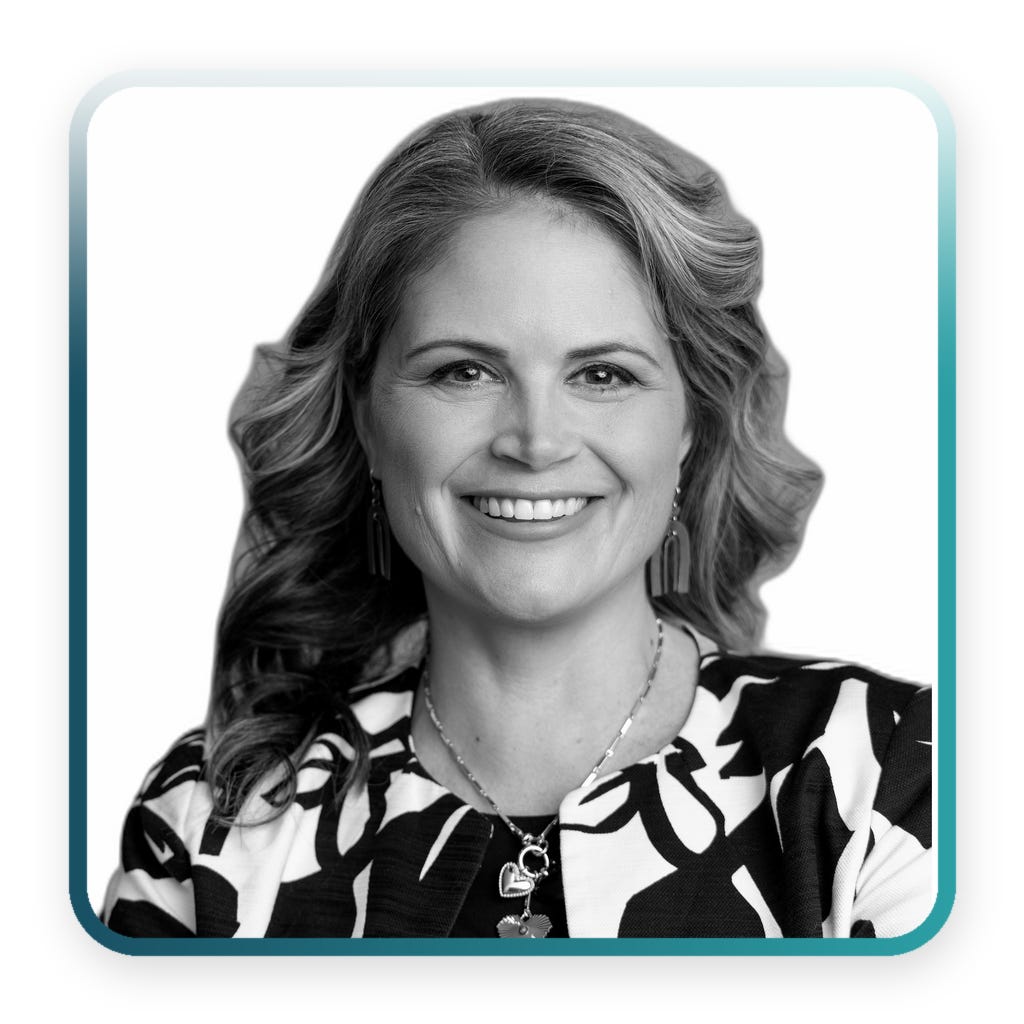
Ellen Whitlock Baker is a coach, facilitator, and speaker who helps leaders create healthier, more sustainable workplaces. A former higher education advancement leader and accredited executive coach, she helps people rethink the habits that contribute to burnout and create better ways to lead and work. She is a Forbes Council contributor and hosts the Hard at Work podcast.
Faculty-in-Residence
Topic: Faculty-in-Residence Symposium with Mallory Erickson
Date: Wednesday, September 23 from 11:30 am - 12:30 pm ET
Speakers: Mallory Erickson, Kristin Hanson, Andrea Devine, Scott Francis
We’ll conclude our first Faculty-in-Residence experience with Mallory Erickson by hosting a round table discussion on the themes from What The Fundraising. The Symposium will be hosted by Contributing Editor, Kristin Hanson, and led by SE Members, Andrea Devine from the University of Virginia and Scott Francis from Auburn University.
Faculty-in-Residence
Topic: Faculty-in-Residence Symposium with Mallory Erickson
Date: Wednesday, September 23 from 11:30 am - 12:30 pm ET
Speakers: Mallory Erickson, Kristin Hanson, Andrea Devine, Scott Francis
We’ll conclude our first Faculty-in-Residence experience with Mallory Erickson by hosting a round table discussion on the themes from What The Fundraising. The Symposium will be hosted by Contributing Editor, Kristin Hanson, and led by SE Members, Andrea Devine from the University of Virginia and Scott Francis from Auburn University.
October Agora
Topic: The Class That Never Ends: Lifelong Learning as a Sustainable Engagement Model
Date: Thursday, October 8 from 1 - 2 pm ET
Speakers: Kathryn Bennett, director of LIFE@Elon (Elon University), and Sarah Rhodes, director of LIFE@Lynchburg (University of Lynchburg)
Kathryn and Sarah will share what it takes to launch and sustain lifelong learning programs, from recruiting volunteer leaders and building curriculum to securing philanthropic support and forging local partnerships. Attendees will leave with a vision for turning long-term engagement into a durable revenue stream without waiting for a full reinvention of the college degree itself.


