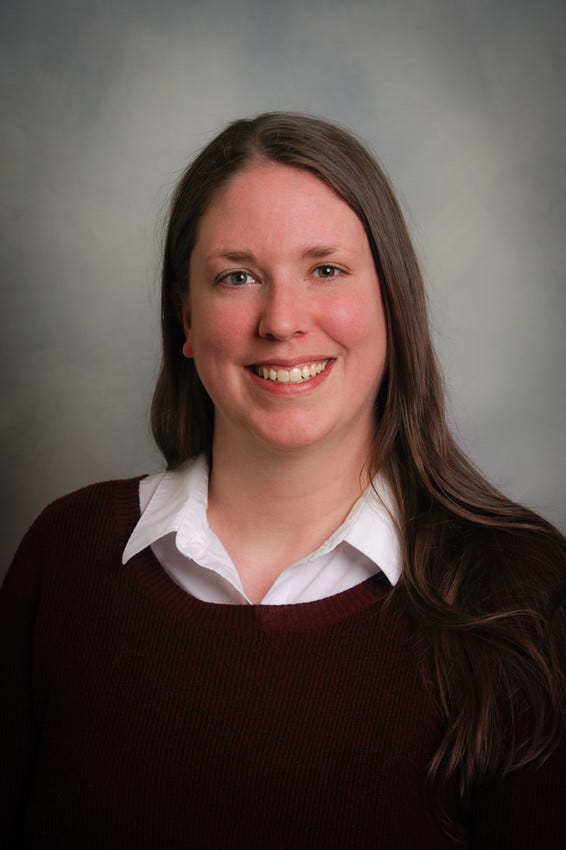
This Breakout takes on two connected Harvard Crimson pieces: after three senior leaders with decades of tenure departed, Harvard's advancement office reorganized, merging communications, events, and donor relations under one role, and then laid off 55 staff amid budget strain. Ryan Catherwood, Dave Hail, and Courtney Stombock work through the paradox at the center of it, that Harvard made these cuts while fundraising was running roughly 20 percent ahead of the prior year, and that raising restricted gifts does not create the unrestricted budget to spend.
At the same time, Harvard is dealing with devasting budget challenges associated with the Trump administration freezing 2.2 billion dollars in grants.
The conversation digs into the short-term thinking that makes engagement an easy target, since its return shows up in ten or fifteen years rather than the next two, and the institutional memory that walks out the door when long-tenured leaders leave. Courtney's warning is to do it to yourself before it is done to you, using this moment to innovate on retention, technology, and succession rather than waiting for a verdict. The panel closes on a more hopeful thread, the possibility of reallocating toward new AI-enabled roles, and the caution that every reorganization should start by understanding what each position actually produces or holds.
October Agora
Topic: The Class That Never Ends: Lifelong Learning as a Sustainable Engagement Model
Date: October 8, 1-2 p.m. ET
Speakers: Kathryn Bennett, Elon University; Sarah Rhodes, University of Lynchburg
Synopsis
As the value of a college degree comes under increasing scrutiny, thought leaders have proposed a sweeping shift in higher ed: decades-long partnerships with students instead of graduation as the finish line. Most institutions aren’t built for that kind of perpetual relationship, but those considering it could take a page from universities already running lifelong learning programs for alumni, parents, and community members over age 50.
In this Agora panel, Kathryn Bennett, director of LIFE@Elon (Elon University), and Sarah Rhodes, director of LIFE@Lynchburg (University of Lynchburg) will join Contributing Editor Kristin Hanson for a discussion about their programs. Both follow a similar model but sit at different positions on the timeline: LIFE@Elon is entering its 16th year, while LIFE@Lynchburg is beginning its fifth.
Kathryn and Sarah will share what it takes to launch and sustain lifelong learning programs, from recruiting volunteer leaders and building curriculum to securing philanthropic support and forging local partnerships. Attendees will leave with a vision for turning long-term engagement into a durable revenue stream without waiting for a full reinvention of the college degree itself.
Meet the Speakers
Since 2011, Kathryn Bennett has grown LIFE@Elon from 50 participants in its first year to more than 500 today (with a lengthy waiting list, to boot). Along the way, she has worked closely with faculty, community members, and volunteers to develop lectures, courses, and experiences that foster curiosity and connection. As word of LIFE@Elon’s success spread across higher ed, Kathryn has consulted with other universities interested in developing similar programs.
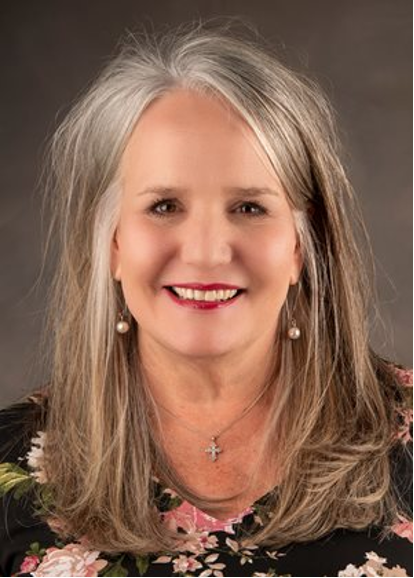
Sarah Rhodes serves as the University of Lynchburg’s director of donor relations and endowment administration. She has nurtured LIFE@Lynchburg since its inception, watching it grow from a small group of participants into thriving community of alumni and friends. In addition to coordinating LIFE@Lynchburg’s academic programming and community-building offerings, Sarah has been instrumental in securing local partnerships that provide sustainable support for the program.