Advancement communicators know this request well: The anniversary of a landmark gift is approaching, and leadership wants an impact story, stat.
But the moments worth capturing have passed. The small scenes that make a story feel real can’t be re-staged. What’s left is an article built from a gift announcement and a few highly edited quotes. The impact story reads like a press release, features an old portrait of the donors, and says very little about what the gift made possible for students, the university, or the community beyond campus.
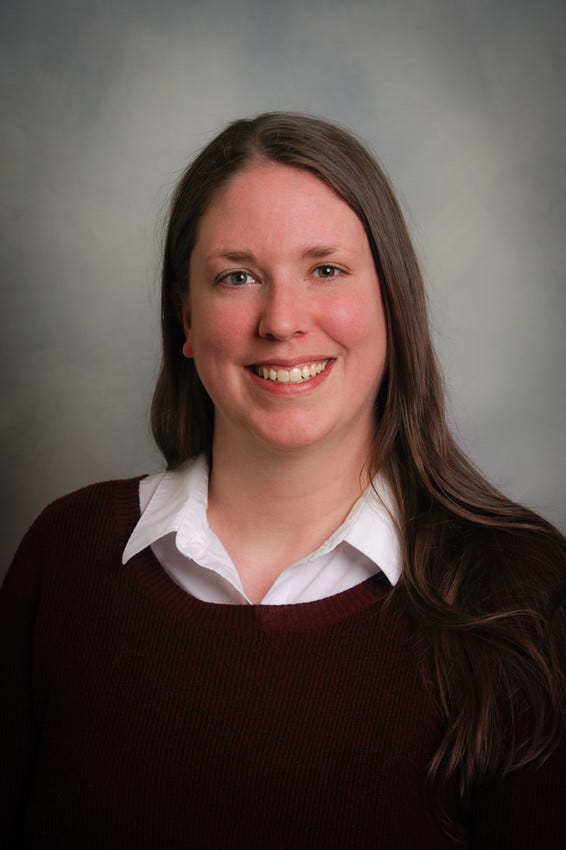
I spent years of my on-campus life trying to turn this tide. When I learned that Samantha McCain Alexander and her team at the University of Southern Mississippi were tackling this challenge and succeeding, I leapt at the chance to hear more. She graciously shared how she’s built a team, a philosophy, and relationships across campus to capture stories while they happen. It’s an approach that improves donor stewardship, but also builds habits that can strengthen alumni engagement and other communication priorities across campus.
Staff up for story capture
In 2024, the Southern Miss Alumni Association and the USM Foundation combined resources and established a shared services model. When Alexander joined the team as director of strategic communications for advancement, she had a chance to help build that staff from scratch.
Alexander planned to handle much of the writing herself, but knew she’d need to find a talented videographer and photographer. That’s when she hired Chloe Armstrong as the associate director of multimedia and storytelling. Later, she brought on Alexis Rutland as the marketing project manager to own the calendar, coordinate shoots, and triage requests from across the alumni association and foundation. Finally, she hired a recent Southern Miss grad, Gracie Lewis, as the communication and engagement manager to oversee digital, social, and email communications, along with the alumni magazine, The Talon.
When she hires, Alexander looks for what can’t be taught. Technical skills and cultural norms can be learned, she says, but drive and natural ability can’t. Parsing the right narrative from a long interview, understanding the small details that matter the most, or picking out the perfect natural sound from hours of tape are the kinds of things that separate good content from great.
“It’s really important to hire people who really love what they do, and who have fun doing it,” Alexander says. “I don’t put a lot of limits on the team. It’s their job to be creative. I may ask them to bring it back, maybe scale it down to see what we can actually do realistically, but I always tell them to think big.”
Use the calendar to your advantage
Campus life runs on a predictable cycle: move-in, game days, homecoming and reunion, the holidays, commencement. Alexander’s team treats that predictability as an asset. For a small team, knowing what’s coming can help make limited time go further.
Shoots and interviews at one known, upcoming event can supply material for months. For the University’s Joe Paul Leadership Scholars Program, Alexander’s team films and interviews scholarship recipients during move-in week and at a fall welcome-back social, then draws on that footage all semester.
Because the same moments recur each year, the team can follow the same students through different stages of their campus experience. They’ve followed one current Leadership Scholar—now a junior—for three years. By chronicling her growth at every step, they can show rather than tell the impact story to the donor who has supported her journey (or, perhaps, to a potential donor who may want to support a student just like her).
Maximize the mileage of your stories
Alexander is a strong proponent of a create once/distribute widely approach to content. With such a small team, this philosophy ensures content they gather for one project can be useful in many others.
When Alexander’s team learned earlier this year that Gary Stanton—a 2015 Southern Miss graduate and one half of the country duo Muscadine Bloodline—had a concert coming to town, the alumni association reached out to him. Stanton agreed to spend two and a half hours with Alexander’s team, letting them film and interview him. That single session produced a Talon feature, social content, and a membership campaign offering a chance for concert tickets. The campaign brought in several new alumni association members, many from the hard-to-reach 25-to-35-year-old age group.
Alexander’s team also shares the wealth. When its footage overlaps with another office’s goals, the team sends assets to central and school comms teams to support their marketing, so one shoot can benefit several offices.
Get looped in early
To tell a story as it’s happening, you first have to know it’s happening. Alexander says Nicole Ruhnke, Southern Miss’s chief communication officer and a natural people connector, has helped lower the barriers that tend to form between advancement communications and the rest of an institution. Ruhnke has organized a regular campus communicator roundtable, created a shared news release system, and instituted a notification protocol that loops the advancement comms team into communication pieces involving alumni or fundraising.
Selectivity breeds sustainability
A proactive storytelling engine can wear out a small team just as fast as a reactive model can. Alexander’s main safeguard is selectivity.
“Unfortunately, we don’t have time and capacity for every story,” she says. Her team’s workload is largely driven by university priorities. Ideas may start out ambitious and get scaled to what the team can realistically accomplish. Some areas of campus may get more attention than others depending on the calendar, and not everyone will be happy about that. Still, Alexander measures success by the quality of the stories told and the meaningful impact established for the donor, alumni, or friend through the work.
A little planning goes a long way
Few comms shops—in advancement or anywhere else—will ever have enough resources to cover everything on campus. Alexander’s team shows they don’t need to. When leadership asks for an impact story, her team won’t be scrambling for the right ingredients. The footage, photos, and interviews they need will already be at their fingertips.
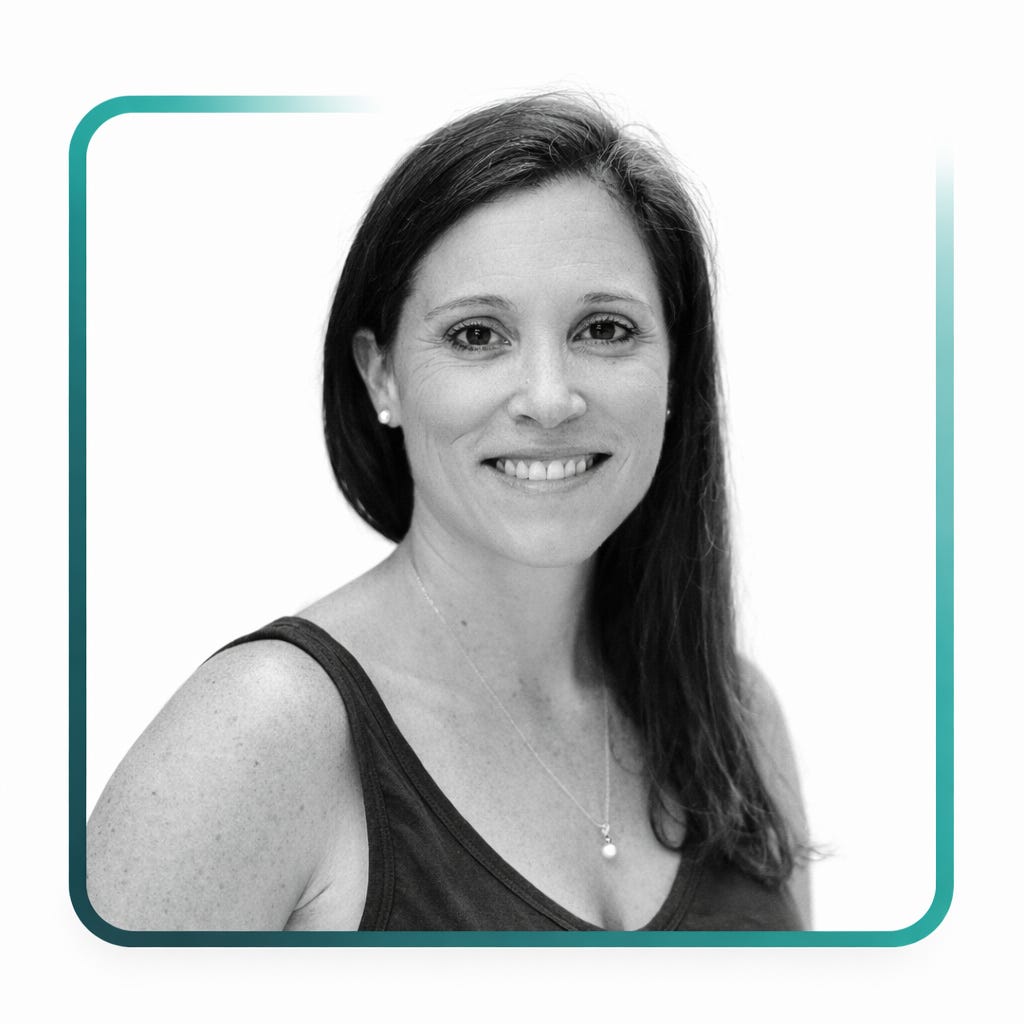
Kristin Simonetti Hanson is an award-winning editorial content strategist, writer, and editor based in Baltimore, Md.
For nearly 20 years, she’s served higher ed and nonprofit organizations with her distinctive, creative voice and sharp, strategic insight, turning complex priorities into clear, compelling narratives. In 2021—after working in-house for Johns Hopkins University, the University of North Carolina Wilmington, The Washington Center for Internships and Academic Seminars, and Elon University—she went out on her own, founding Kristin Hanson Writes, LLC.
October Agora
Topic: The Class That Never Ends: Lifelong Learning as a Sustainable Engagement Model
Date: October 8, 1-2 p.m. ET
Speakers: Kathryn Bennett, Elon University; Sarah Rhodes, University of Lynchburg
Synopsis
As the value of a college degree comes under increasing scrutiny, thought leaders have proposed a sweeping shift in higher ed: decades-long partnerships with students instead of graduation as the finish line. Most institutions aren’t built for that kind of perpetual relationship, but those considering it could take a page from universities already running lifelong learning programs for alumni, parents, and community members over age 50.
In this Agora panel, Kathryn Bennett, director of LIFE@Elon (Elon University), and Sarah Rhodes, director of LIFE@Lynchburg (University of Lynchburg) will join Contributing Editor Kristin Hanson for a discussion about their programs. Both follow a similar model but sit at different positions on the timeline: LIFE@Elon is entering its 16th year, while LIFE@Lynchburg is beginning its fifth.
Kathryn and Sarah will share what it takes to launch and sustain lifelong learning programs, from recruiting volunteer leaders and building curriculum to securing philanthropic support and forging local partnerships. Attendees will leave with a vision for turning long-term engagement into a durable revenue stream without waiting for a full reinvention of the college degree itself.
Meet the Speakers
Since 2011, Kathryn Bennett has grown LIFE@Elon from 50 participants in its first year to more than 500 today (with a lengthy waiting list, to boot). Along the way, she has worked closely with faculty, community members, and volunteers to develop lectures, courses, and experiences that foster curiosity and connection. As word of LIFE@Elon’s success spread across higher ed, Kathryn has consulted with other universities interested in developing similar programs.
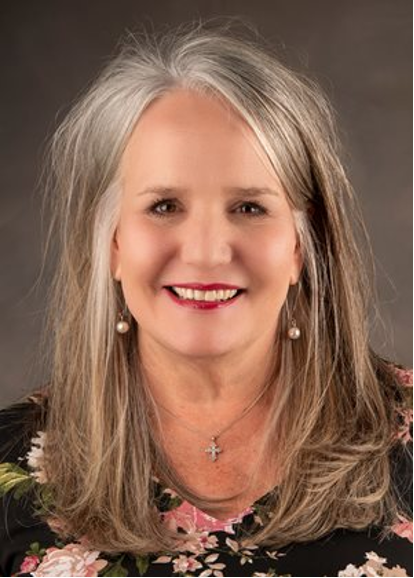
Sarah Rhodes serves as the University of Lynchburg’s director of donor relations and endowment administration. She has nurtured LIFE@Lynchburg since its inception, watching it grow from a small group of participants into thriving community of alumni and friends. In addition to coordinating LIFE@Lynchburg’s academic programming and community-building offerings, Sarah has been instrumental in securing local partnerships that provide sustainable support for the program.